
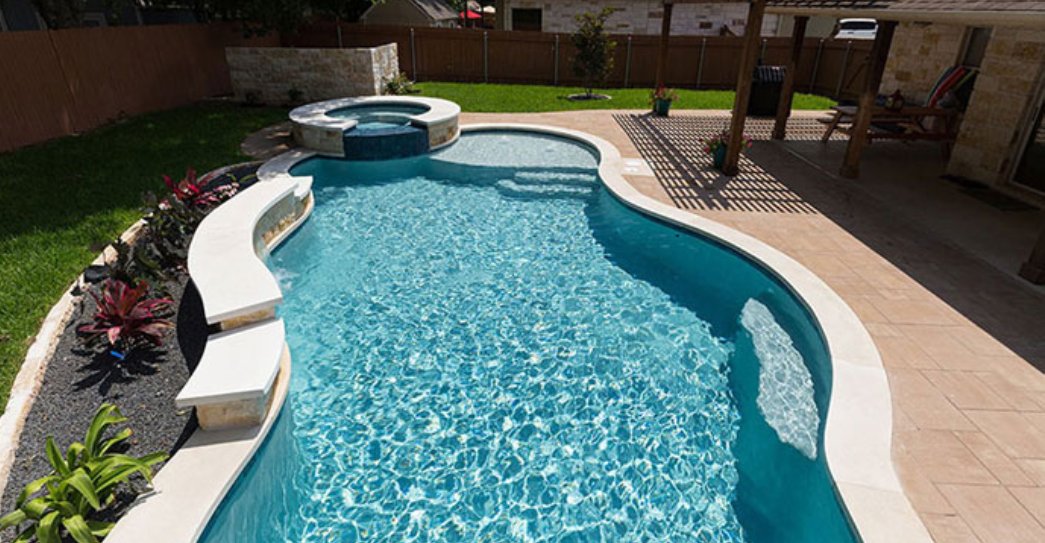
Resurfacing a pool means picking a finish that you'll be looking at, swimming in, and standing on for years — so it's worth understanding what you're actually choosing between before a crew shows up to drain your pool. QuartzScapes is one specific finish product, made by National Pool Tile (NPT), that comes up often in these conversations. This guide walks through what it is, what it isn't, and how it stacks up against the plaster and pebble finishes most North Texas homeowners are also considering.
What Is QuartzScapes?
QuartzScapes is a branded pool finish product manufactured by NPT — one of several finish lines the company makes, alongside options like StoneScapes (pebble finishes), JewelScapes (glass bead finishes), and PlasterScapes (pigmented traditional plaster). It's worth being precise here: "QuartzScapes" refers specifically to this NPT product line, not a generic term for any finish that happens to contain quartz. Other manufacturers make their own quartz-aggregate finishes under different names, so if a contractor mentions "quartz finish" without naming the product, it's worth asking exactly which one they mean.
What QuartzScapes Is Made Of
At its core, QuartzScapes combines natural and colored quartz aggregate with a pigmented white cement base. The quartz gives the finish its texture and much of its durability characteristics, while the cement base and pigment carry the color. This is a meaningfully different formula than traditional white plaster, which relies primarily on marble dust rather than quartz aggregate.
Why Quartz Aggregate Is Used
The short answer is hardness. NPT, the manufacturer, describes natural quartz as substantially harder and more durable than marble — the material at the core of standard plaster finishes. In practical terms, a harder aggregate material is generally more resistant to the kind of surface wear that shows up over years of sun exposure, chemical contact, and everyday pool use. That doesn't mean a quartz finish is indestructible or maintenance-free — water chemistry and startup still matter enormously, which we'll get to — but the underlying material is a genuine step up in hardness compared to marble-based plaster.
How QuartzScapes Differs From Traditional Marble-Based Plaster
Traditional plaster is typically made from marble dust, white Portland cement, and pigment. It's a proven, widely used finish that's been the standard for decades, prized for its relatively lower cost and smooth, classic look. The tradeoff is that marble is a softer material, which means standard plaster can be more prone to surface etching, staining, and a rougher feel as it ages — especially if water chemistry isn't kept in check.
QuartzScapes swaps the marble dust for quartz aggregate, which changes both the durability profile and the visual character of the finish. Because quartz aggregate holds pigment differently than marble dust, QuartzScapes finishes also tend to offer a richer, more varied color palette than basic plaster typically achieves.
The Texture of QuartzScapes
Texture is one of the most personal parts of choosing a pool finish, since it's something you'll feel every time you walk in or sit on a step. QuartzScapes generally sits in the middle of the texture spectrum for pool finishes: it has more tactile texture than a polished or glass-bead finish, but it's noticeably finer and smoother than a large-aggregate pebble finish. Most homeowners find it comfortable underfoot, though "comfortable" is subjective — if texture is a top priority for you, ask your contractor for a physical sample you can actually touch, ideally wet, before deciding.
QuartzScapes Series and Color Options
NPT offers QuartzScapes across roughly 18 color options, organized into three series that differ more in character and inspiration than in the underlying material.
Regular Series
This is the original QuartzScapes color line, ranging from bright whites and sandy neutrals to deeper greens and black. It includes long-standing colors like Tahoe Blue, French Gray, Midnight Blue, and Cappuccino — the shades that have remained popular since QuartzScapes was first introduced.
Caribbean Series
The Caribbean Series leans into richer, more saturated blues and grays inspired by tropical water — colors like Aruba Sky, Montego Bay, and Barbados Blue. If you're going for a more vivid, resort-style water color, this series tends to deliver a bolder result than the Regular Series.
Reflections
Reflections isn't a separate color palette — it's a specialty sparkle aggregate that can be added to any QuartzScapes color, in varying amounts, to create a subtle shimmer or a more noticeable sparkle effect in the water. Think of it as an add-on enhancement layered onto whichever base color you choose, not a standalone finish.
Some of the most requested QuartzScapes colors we hear about from North Texas homeowners: Tahoe Blue, French Gray, and Midnight Blue.
How QuartzScapes Compares With Traditional Plaster
The practical tradeoffs come down to durability, color, and cost. Quartz aggregate is a harder material than the marble used in standard plaster, and QuartzScapes offers considerably more color depth and variety than typical plaster. On the other side of the ledger, traditional plaster remains a proven, more budget-conscious option with a long track record. Quartz finishes are generally positioned as a step up from basic plaster in material cost — your contractor can walk you through accurate pricing for your specific pool size and chosen product, since that's not something we'd want to guess at here.
How QuartzScapes Compares With Pebble Finishes
Pebble finishes — like NPT's own StoneScapes line, or other manufacturers' pebble products — use larger, more exposed aggregate. That creates a more dramatic, dimensional texture and a distinctive play of light through the water, but it also means a rougher surface underfoot and typically a higher price point. QuartzScapes, with its finer aggregate, lands as a smoother, more understated middle option — less textured and generally more affordable than premium pebble, while still offering more durability and color range than basic plaster.
Is Quartz a Good Middle Ground Between Plaster and Premium Pebble?
For a lot of homeowners, yes. If your priority is maximizing durability and texture regardless of cost, premium pebble is usually the answer. If cost is the dominant factor and you're fine with a classic smooth finish, plaster remains a solid choice. QuartzScapes is worth serious consideration if you want meaningfully more durability and color depth than plaster offers, without stretching all the way to pebble-level cost and texture. As with most remodeling decisions, the right answer depends on your budget, how the pool actually gets used, and what look you're going for.
Why Water Chemistry and Proper Startup Matter More Than the Finish Alone
Here's something that gets lost in a lot of finish comparisons: the material you choose is only part of the story. NPT's own warranty documentation explicitly excludes damage caused by improper water chemistry or improper startup — regardless of which finish line you go with. That's a meaningful detail. It means a premium finish installed correctly but then neglected on the chemistry side can develop staining, etching, or discoloration that has nothing to do with the material's inherent quality. Whatever finish you choose, a proper startup procedure and consistent water balance from day one matter just as much as the product itself.
Why the Actual Color May Look Different From a Website Image or Sample
It's worth setting expectations here: manufacturers themselves acknowledge that the color you see on a website, in a brochure, or even on a small dry sample chip won't perfectly predict how a finish looks once it's poured, cured, and submerged under several feet of water. Water depth, sunlight angle, time of day, surrounding tile and decking, and even your pool's shape all affect how a finish actually reads in person. The most reliable way to judge a color is to view a physical sample under water, in natural light, if your contractor or a local showroom can provide one — not just a photo or a dry chip.
Choosing a Finish for a North Texas Pool
Finish choice affects more than just how the pool looks in photos — it shapes how the water reads every single day, under North Texas sun, against whatever tile and decking you've paired it with. Homeowners across Prosper, Celina, Frisco, McKinney, and the surrounding North Texas communities weigh the same tradeoffs: how the pool will actually be used, what the surrounding hardscape looks like, and how much long-term durability matters given our long, hot swim season. There's no universally correct answer — it comes down to matching the finish to your specific backyard and priorities.
Frequently Asked Questions
What is a QuartzScapes pool finish?+
QuartzScapes is a specific pool finish product line made by National Pool Tile (NPT). It's built from natural and colored quartz aggregate blended into a pigmented cement base, rather than the marble dust used in traditional white plaster. It's one of several finish lines NPT makes — not a generic term for any quartz-look finish.
Is QuartzScapes better than plaster?+
It depends what you're optimizing for. Quartz aggregate is harder than the marble dust used in standard plaster, and QuartzScapes offers a wider, richer color range than basic white or pigmented plaster. But traditional plaster is a proven, more budget-friendly option that's been used for decades. "Better" really comes down to your priorities: durability and color depth versus upfront cost and a smoother, more classic look.
Is QuartzScapes rough?+
QuartzScapes sits in the middle of the texture spectrum. It's more textured than a polished or glass-bead finish, but noticeably finer and smoother underfoot than a large-aggregate pebble finish. Most homeowners find it comfortable to walk and sit on, though texture preference is personal — seeing and feeling a physical sample before committing is the best way to know for sure.
How long does QuartzScapes last?+
We're not going to give you an exact number, and you should be skeptical of anyone who does without qualification. How long any pool finish lasts depends heavily on water chemistry, startup procedure, climate, usage, and maintenance — not just the material itself. NPT's own warranty documentation excludes damage caused by improper water chemistry or improper startup, which tells you how much those two factors matter. Ask your contractor for the manufacturer's current warranty terms, since those are the most reliable reference point.
What is the difference between QuartzScapes and PebbleTec?+
PebbleTec is a well-known pebble-aggregate finish brand from a different manufacturer (NPC), not an NPT product, so a direct apples-to-apples comparison isn't something we can make on NPT's behalf. In general terms, pebble finishes use larger, more exposed aggregate that creates a more dramatic, dimensional texture and deeper light refraction in the water, while QuartzScapes uses finer quartz aggregate for a smoother, more understated surface. Neither is universally "better" — they're different textures and price points aimed at different preferences.
Does QuartzScapes fade?+
All pigmented pool finishes can shift in appearance over time, and NPT's own warranty language specifically addresses loss of color in the quartz as a covered material issue under certain conditions — which tells you it's a known factor, not a hypothetical one. Water chemistry, sun exposure, and how well the pool is maintained all play a role. This is exactly why proper startup and consistent water balance matter as much as the finish you choose.
Is quartz a good pool finish?+
For a lot of homeowners, yes — it's a reasonable middle ground between the affordability and classic look of plaster and the premium texture and price of a full pebble finish. Whether it's the right choice for your pool depends on your budget, how the pool gets used, and the look you're going for. Comparing an actual sample against your other options, in person, is the best way to decide.